
Criminals repeatedly manage to hack into operators' computer networks and steal units. And because the new currencies could undermine central bank policy, there is a threat of government bans. These would reduce their value to zero. Even if banned, this could not happen to gold.
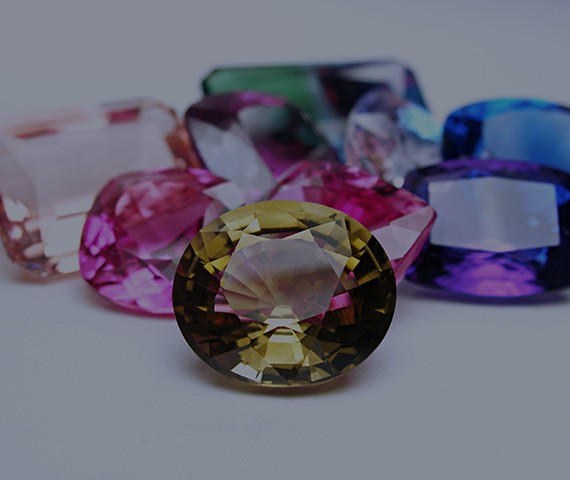
Diamonds are also a good investment for eternity. They concentrate maximum value in a minimum of space, are easy to handle and easy to hide. In popular parlance, a diamond is also known as a “piece of real estate in your pocket.” The rarer the color, the more elaborate the cut and the purer the substance, the more valuable the stone. Only stones of the highest quality with a classic brilliant cut and a weight of at least one carat (0.2 grams) are suitable as investments. However, unlike gold, there is no uniform, continuous price quotation for diamonds. While a troy ounce of gold is a globally standardized product, no two diamonds are alike. Differences in clarity and color that are barely visible to the naked eye can result in price differences of several thousand euros for one-carat stones. Investors are dependent on the expertise of specialists. The quality and authenticity of a stone can only be guaranteed if it is certified by a renowned institute such as the Gemological Institute of America (GIA). Otherwise, the chances of resale are virtually zero. The GIA assesses diamonds using the “4 C” method. This refers to carat weight, color, clarity, and cut. High-quality gemstones are not discount goods. Even if a high-carat stone is purchased from a reputable supplier, it can take time for the investment to pay off. After all, the value of investment-grade stones has increased by an average of two percent (one-carat stones) to five percent (five-carat stones) per year over the past 20 years.