
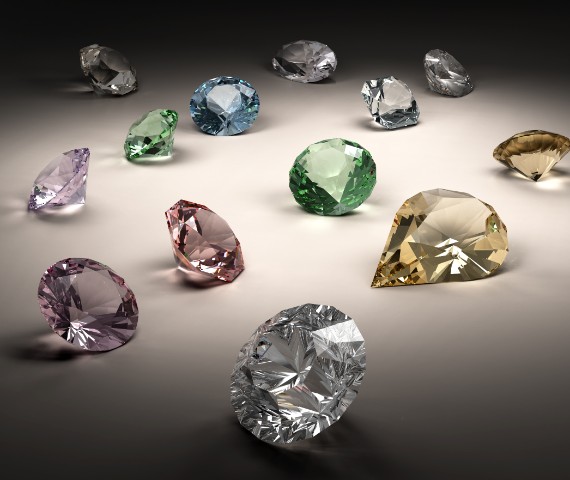
In 2024, the estimated wholesale value amounted to over USD 4.5 billion. Data collected by the FCRF (Fancy Color Research Foundation) indicates a controlled, strategic repositioning. While global trading concerns across all luxury sectors have led to caution, the market for colored diamonds has remained impressively stable. The average price across all colors has risen by around 6 percent per year over the past 20 years, with popular colors showing significantly higher growth. This reflects the market’s growing maturity and the defensive appeal of diamonds in vibrant colors.
Fancy-color diamonds come from only a handful of mines worldwide. The closure of the Argyle mine in 2020, which accounted for over 90 percent of all pink and red diamonds mined, left a gap that has since been filled by no other consistent source. As a result, dealers are striving to secure the remaining supply, in some cases at any cost.
Fancy-color diamonds continue to rank among the rarest and most valuable gemstones in the world. While they are still produced or mined in South Africa, Botswana, Canada, Sierra Leone, Brazil, and Russia*, they make up only a fraction of global diamond production, and only a small portion retain their color even after cutting. Cutting colored diamonds is a highly specialized process. Whereas traditional cutting focuses on brilliance and carat weight, the goal with fancy diamonds is to preserve or even maximize color intensity.
This has led cutters to carefully experiment with new techniques, for example using sharp corners to direct light in a way that makes colors appear more vivid. They have also discovered that certain cuts preserve color better than others. Over time, methods have been refined and technology combined with craftsmanship to ensure that each diamond can realize its full potential.
The 4Cs still apply to colored diamonds, but since 1995 the standardized certification has been expanded to include a range of additional criteria covering not only the 27 hues but also tone and saturation. Collectors, dealers, and retailers also take optical appeal into account when assessing a colored diamond. According to the FCRF, factors such as color depth, color dispersion, undertone, and the stone’s appearance relative to its carat weight all contribute to the overall evaluation.
For jewelers and dealers, this means higher demands in expertise, grading, sourcing, and cutting, as buyers become more discerning and emotionally connected to the stories behind each jewel they purchase.
In the words of Eden Rachminov, author of The Fancy Color Diamond Book:
“In a modern affluent society where almost anything can be purchased, owning a rare fancy colour diamond serves as a statement of individualism, highlighting the power of an unattainable luxury that preserves one’s unique identity.”
*excluded from trade due to sanctions